
Merging, Lane Changes, and Safe Expressways in NYC Highway
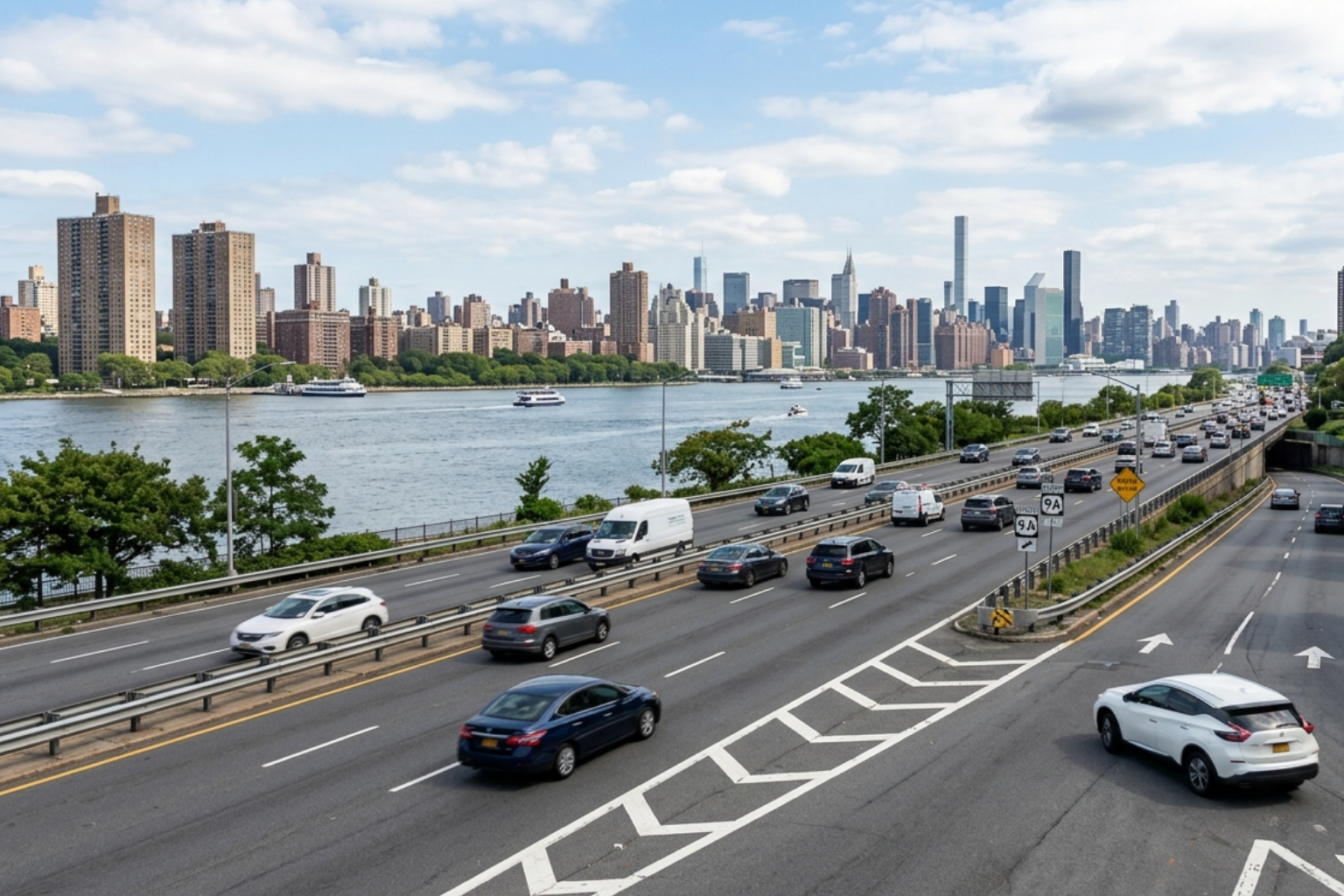
Master Highway Driving in NYC: Merging, Lane Changes, and Safe Expressways
High-speed highway driving is often the most intimidating milestone for new drivers in New York City. Transitioning from congested, grid-locked streets like Broadway or 3rd Avenue to high-speed arteries—such as the FDR Drive, the Henry Hudson Parkway, or the Cross Bronx Expressway—requires an entirely different set of skills, instincts, and spatial awareness.
At VMARE Driving School, we provide specialized behind-the-wheel instruction tailored to upper Manhattan residents. Whether you are starting from the Upper East Side (UES) or Upper West Side (UWS), our certified instructors break down complex high-speed maneuvers into safe, predictable, and manageable steps.
Why Highway Skills Matter for NYC Drivers
City driving focuses on low-speed precision: parallel parking, dodging pedestrians, watching for double-parked delivery vans, and navigating tight intersections. Highway driving, by contrast, demands high-speed decision-making, rapid scanning, and precise vehicle control.
Many Upper West Side and Upper East Side learners struggle when transitioning to expressways due to three primary challenges:
Short, Blind On-Ramps: NYC expressways—particularly the FDR Drive—are infamous for extremely short entrance ramps with minimal acceleration space and limited visibility.
High Traffic Density: Unlike rural freeways where drivers maintain multi-car spacing, NYC highways are dense. Merging requires matching flow speed and identifying tight gaps quickly.
Aggressive Traffic Flow: Local commuters move quickly and decisively. Hesitation on an expressway entrance is often more dangerous than moving too fast.
Developing confidence on the highway gives you the freedom to navigate the Tri-State area safely, whether you are commuting across the George Washington Bridge or taking a weekend trip up the Hudson Valley.
Mastering the Highway Merge: Step-by-Step
Merging onto a high-speed road is a fluid sequence of acceleration, observation, and timing. Here is the step-by-step methodology taught in VMARE highway lessons:
1. Match the Flow Speed Early
The ultimate goal of a merge is to join traffic without forcing drivers in the right lane to brake. As soon as you enter the ramp:
Depress the accelerator smoothly to build speed.
Aim to match the exact speed of highway traffic before you reach the end of the acceleration lane.
2. Mirror and Blind-Spot Scanning
Never rely solely on side mirrors when merging.
Check your side-view mirrors early on the ramp to gauge the density of approaching traffic.
Perform a quick over-the-shoulder glance into your blind spot right before committing to the merge.
3. Signal Intent Early
Activate your turn signal as soon as you enter the ramp curve. This alerts drivers in the target lane to your presence, giving attentive commuters time to adjust their position or change lanes to accommodate your entry.
4. Target a Gap and Commit
Identify a clear space between two vehicles in the travel lane. Once you commit to moving into the gap, maintain your momentum—sudden braking on an acceleration ramp creates a severe rear-end collision hazard for drivers behind you.
High-Speed Lane Changing Techniques
Changing lanes at 50 to 65 mph requires smooth steering and continuous scanning. Rapid, erratic wheel movements can unsettling the vehicle’s weight balance and lead to a loss of control.
At VMARE, we teach the SMOG system for highway lane changes:
S - Signal: Turn on your indicator 3 to 5 seconds before moving.
M - Mirrors: Check your rearview and side mirrors to assess overall traffic speed behind you.
O - Over-the-shoulder: Check your blind spot on the side you intend to move toward.
G - Go: When a clear gap exists, smoothly glide into the lane while maintaining your speed.
Essential Highway Safety Tips for Manhattan Drivers
Maintain Safe Following Distances
At highway speeds, the standard 2-second rule increases to 3 to 4 seconds. When driving near heavy commercial vehicles on route ramps like the Major Deegan or Cross Bronx, extend your following distance further to ensure adequate stopping space and clear line-of-sight.
Manage the FDR Drive and Henry Hudson Challenges
For residents living on the UES or UWS, the FDR Drive and Henry Hudson Parkway are your primary expressway access points. Keep these local nuances in mind:
FDR Drive: Features sharp curves, narrow lanes, low overpasses, and extremely brief entry points (such as the 96th Street ramps). Keep your hands strictly at 9 and 3 o'clock for responsive steering control through curves.
Henry Hudson Parkway: Higher speeds, variable elevation, and frequent merging traffic near the 79th Street Boat Basin and 96th Street exits. Stay aware of vehicles entering from residential access points.
Highway Practice Lessons with VMARE Driving School
Learning to drive on high-speed expressways shouldn't be stressful. VMARE Driving School offers structured, dual-control dual-brake vehicle instruction designed to build skills progressively.
We pick up directly from your home, apartment, or school on the Upper East Side or Upper West Side, starting in lower-stress street environments before seamlessly transitioning onto local expressways under expert guidance.
What You Learn in Our Expressway Modules:
Safe acceleration and speed adjustment on short NYC ramps.
Proper blind-spot detection and mirror positioning.
Managing multi-lane traffic, highway exits, and complex interchange signs.
Defensive driving strategies against tailgating and aggressive drivers.
Ready to Master Highway Driving in NYC?
Gain complete confidence behind the wheel on every roadway—from neighborhood streets to high-speed expressways.
Take control of your driving journey with professional, patient instruction tailored specifically to NYC roads.
