
How to Handle Two-Way Traffic, Tight Spaces, and Tricky NYC Left Turns
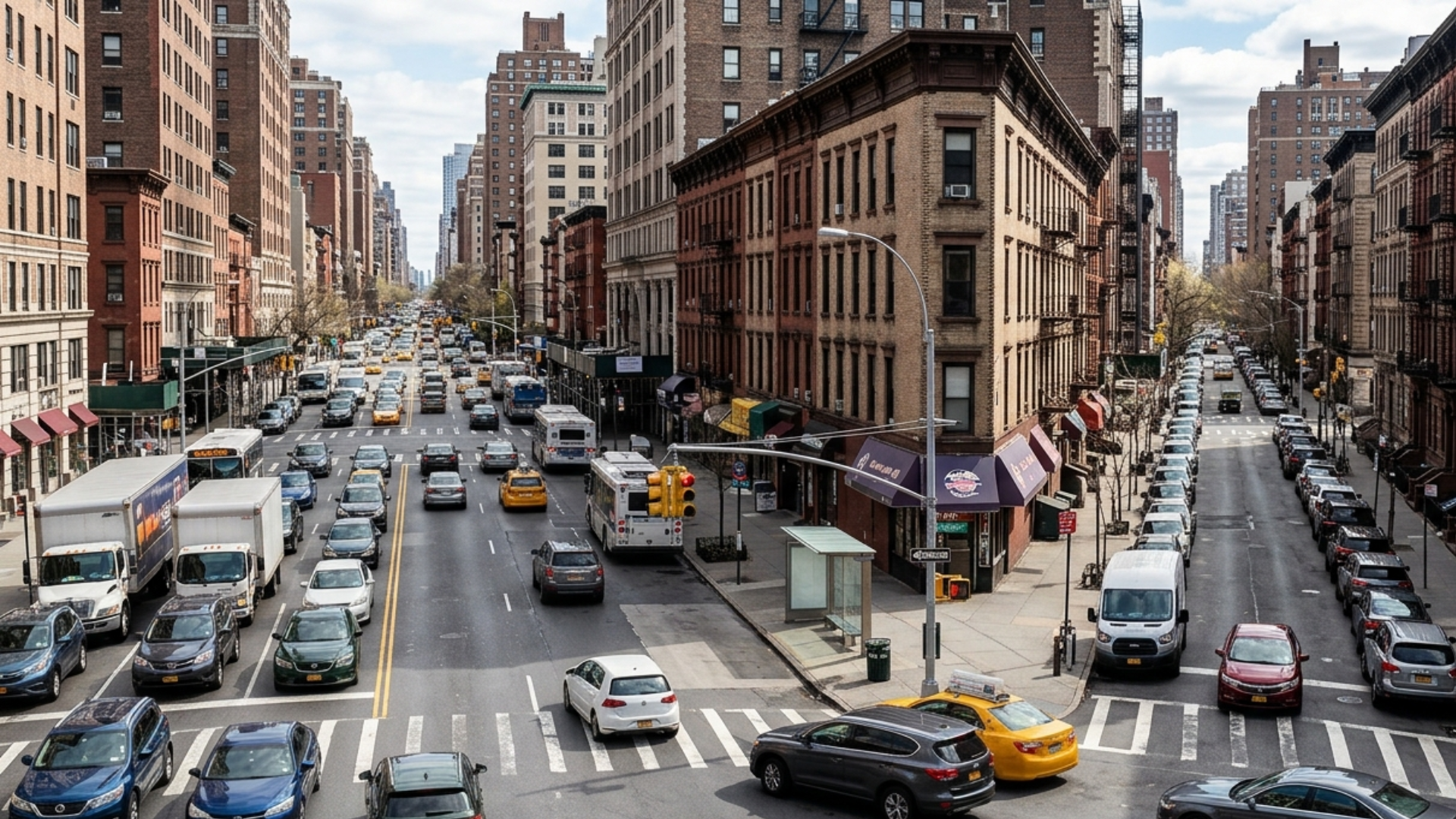
Master Upper Manhattan Driving: Two-Way Traffic, Tight Spaces, and Tricky NYC Left Turns
Meta Description:Learn how VMARE Driving School prepares students to handle double-parked trucks, narrow two-way streets, tight parallel parking, and unprotected left turns in the Upper East Side and Upper West Side.
Driving in Manhattan is a rite of passage. If you can confidently pilot a car through the Upper East Side (UES) and Upper West Side (UWS), you can drive anywhere in the world.
Between double-parked delivery trucks on narrow cross-town streets, delivery e-bikes darting out from blind spots, and impatient yellow cabs honking behind you, learning to drive in NYC demands more than just basic vehicle control—it requires strategy, defensive spatial awareness, and nerves of steel.
At VMARE Driving School, our behind-the-wheel lessons don’t hide from the chaotic realities of New York City traffic. We put you right in the middle of it with structured, step-by-step guidance. Here is how we train students to conquer Manhattan's most challenging driving scenarios.
The Upper Manhattan Reality: UES & UWS Driving Dynamics
While residential in feel, the Upper East Side and Upper West Side present unique infrastructural challenges that test even seasoned drivers:
Narrow Two-Way Cross Streets: Major arteries like 72nd, 79th, 86th, and 96th Streets feature constant two-way traffic mixed with bus lanes, turning lanes, and heavy pedestrian traffic.
The "Double-Parked Truck" Squeeze: On streets packed with brownstones and apartment complexes, delivery vehicles routinely block entire lanes, forcing drivers to share tight, single-lane spaces with oncoming traffic.
High-Density Pedestrian & E-Bike Zones: Near Central Park, Riverside Park, and commercial avenues like Broadway, Columbus, Lexington, and 3rd Avenue, pedestrian crossings and bike lanes require constant 360-degree vigilance.
Mastering the "Big 3" NYC Traffic Scenarios
1. Navigating Narrow Two-Way Streets & Tight Spaces
When a two-way street effectively shrinks to a single lane due to double-parked trucks or outdoor dining sheds, drivers face a high-stakes spatial judgment exercise.
How VMARE Trains You:
Reference Point Technique: We teach you exact reference points on your hood and mirrors so you know precisely where the edges of your vehicle are, removing the guesswork when squeezing past side mirrors.
The "Creep & Crawl" Hold: Learning how to control speed purely through precise brake regulation (without touching the gas) allows you to navigate tight gaps smoothly.
Yield & Communication Etiquette: Understanding when to yield to oncoming traffic and when to assertively take the right-of-way using subtle vehicle positioning and eye contact.
2. Executing the NYC Unprotected Left Turn
Making a left-hand turn off a busy two-way street onto a congested cross-street is one of the most stressful maneuvers for new drivers. You must negotiate oncoming traffic, fast-moving delivery bikes in the bike lane, and pedestrians in the crosswalk—all while light cycles change rapidly.
Key Checklist for NYC Unprotected Left Turns:

1. Position wheels straight while waiting in the intersection.
2. Scan 3 layers: Oncoming vehicles -> Bike lane -> Pedestrian crosswalk.
3. Commit only when both your entry path and exit lane are clear.
Crucial Safety Rule:Never turn your steering wheel left while waiting for oncoming traffic to clear. If hit from behind, turned wheels will push your car directly into oncoming traffic.
How VMARE Trains You:
Intersection Dominance: How to safely move past the crosswalk into the intersection on green without blocking traffic if the light turns yellow.
Pedestrian & Bike Scanning: Developing the habit of checking your left shoulder blind spot for cyclists before committing to the turn.
Gap Selection: Training your eyes to judge the speed and distance of oncoming Manhattan traffic accurately.
3. Handling "Crazy" Unexpected Situations
In Manhattan, unexpected disruptions are guaranteed. An emergency vehicle sirens down 86th Street, an opening car door blocks your lane, or a taxi suddenly cuts across three lanes to pick up a hail.
Common NYC Hazard and the Right Professional Method
Sudden Car Door Opening- Brake firmly in lane; only swerve if adjacent lane is verified clear
Emergency Vehicle Approaching- Check mirrors, signal, and pull smoothly to the nearest curb edge
Double-Parked Vehicle Blocking View- "Inch and Peek"—creeping forward inch-by-inch until sightlines clear
Why Training in UES & UWS Guarantees Road Test Success
The New York State DMV Road Test doesn't just test whether you can parallel park—it tests your composure, decision-making, and safety under pressure.
By practicing in the dense environment of the Upper East Side and Upper West Side with VMARE instructors:
The DMV Test Site Feels Easy: After handling 86th Street cross-town traffic, quiet road test sites feel effortless.
Parallel Parking Becomes Second Nature: You’ll practice parallel parking in real-world, tight NYC spaces between high-end vehicles, building confidence fast.
Defensive Driving Is Muscle Memory: You automatically learn to anticipate pedestrian movements, car doors, and quick-stopping taxis.
Ready to Master NYC Driving with VMARE?
Whether you are a complete beginner preparing for your NY Road Test or an adult driver looking to gain confidence navigating Manhattan's toughest streets, VMARE Driving School provides personalized, patient, dual-brake equipped instruction tailored to UES and UWS residents.
Pickup & Drop-off in Upper East Side & Upper West Side
Patient, NYS-Certified Instructors
Flexible Scheduling & Road Test Packages
Take the stress out of NYC driving. Contact VMARE Driving School today to schedule your first lesson and conquer Manhattan traffic with confidence.
