
The Teen Driver’s Safety: Crosswalk Courtesy, Cyclist Blind Spots, and School Zone Rules
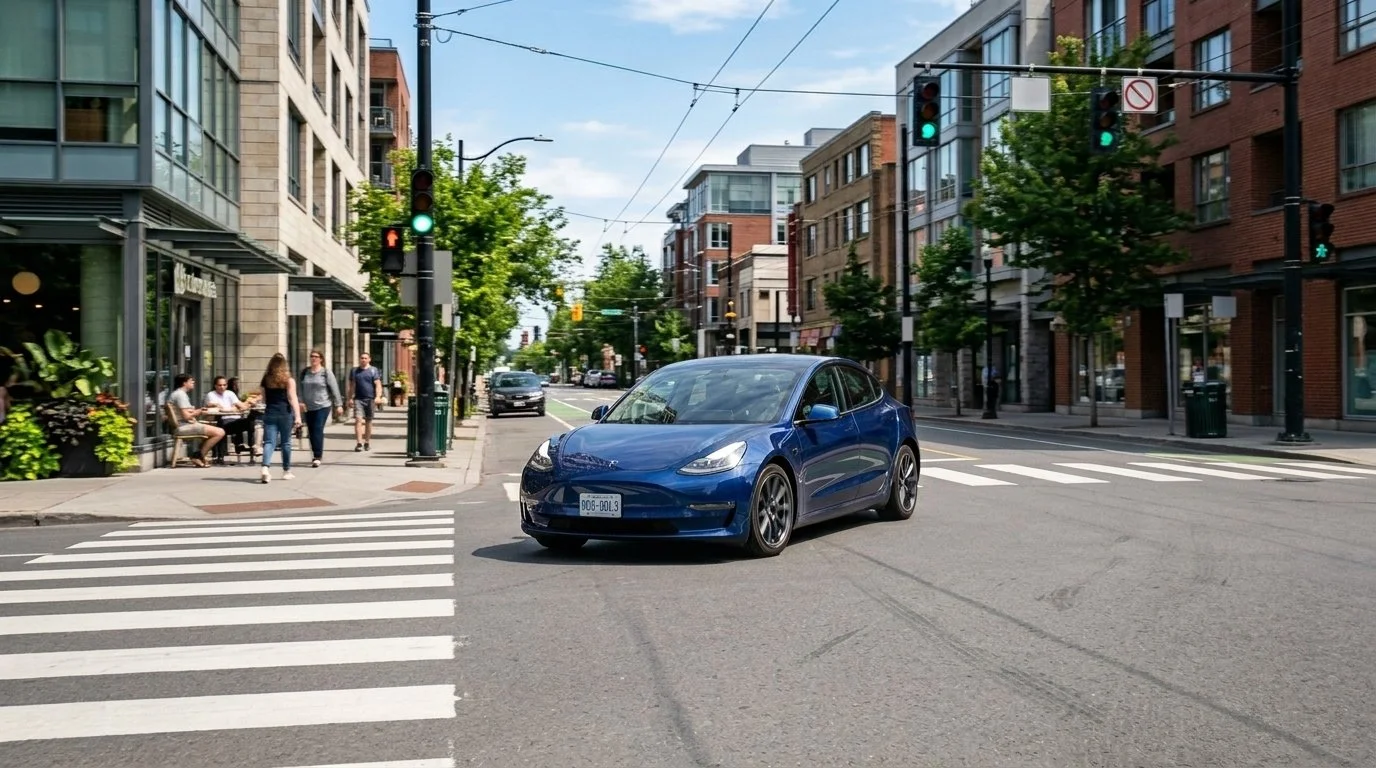
Beyond the Wheel: Master Crosswalk Rules, Cyclist Blind Spots, and School Zone Speed Limits
Earning a driver’s license is one of the most exciting milestones of teenage life. The sense of freedom is unmatched—whether you're cruising through the bustling streets of the Upper East Side, navigating traffic near Central Park on the Upper West Side, or driving across the bridge into Long Island City.
However, with that independence comes serious responsibility. Learning to drive isn't just about steering, accelerating, and parallel parking. It’s about sharing the road with vulnerable road users (VRUs)—pedestrians, cyclists, skateboarders, and children walking to school. Because these individuals lack the protective metal frame, airbags, and seatbelts of a motor vehicle, even low-speed collisions can have life-altering consequences.
At VMARE Driving School, we teach our students that exceptional driving goes far beyond basic car control. To help you become a safer, more confident driver on city streets, here is your essential guide to mastering crosswalk rules, checking blind spots for cyclists, and navigating school zones with care.
1. The 3-Second Rule Near Crosswalks: Giving Pedestrians Space
City sidewalks are constantly moving, and crosswalks are high-density friction points where foot traffic meets vehicles. A common mistake new drivers make is focusing solely on the traffic light while ignoring the curb.
Why the 3-Second Crosswalk Rule Matters
When approaching a crosswalk—whether at an intersection or mid-block—always practice the 3-Second Crosswalk Rule:
Scan Ahead: Look at least 3 seconds ahead down the street to spot pedestrians preparing to step off the curb.
Buffer Distance: Maintain at least a 3-second stopping buffer between your front bumper and the crosswalk line when yielding.
Wait for Full Clearance: Don't start accelerating the millisecond a pedestrian moves past your hood. Give them 3 full seconds of walking time to reach the opposite sidewalk or safety island before you proceed.
Pro-Tips for City Intersections
Watch for Turning Blind Spots: When turning left or right at a green light, pedestrians usually have the walk signal. Always check your A-pillar (the frame between your windshield and side window), which can block your view of someone stepping into the crosswalk.
Never Pass a Stopped Car at a Crosswalk: If a vehicle in the lane next to you is stopped at an intersection or unmarked crosswalk, do not pass them. They are likely stopped for a pedestrian you cannot see yet.
2. Checking Blind Spots for Cyclists: Protecting Two-Wheeled Commuters
With expanding bike lanes throughout Long Island City and designated cycling paths around Central Park and Riverside Park, teen drivers will share the road with hundreds of cyclists every day. Because bicycles are smaller, quieter, and faster than pedestrians, they often slip into a driver's blind spots undetected.
The "Dutch Reach": A Life-Saving Habit
One of the biggest hazards cyclists face in the city is "dooring"—when a driver opens their car door directly into the path of an oncoming cyclist.
At VMARE Driving School, we teach all our students the Dutch Reach:
When exiting your parked vehicle, reach across your body with your far hand (your right hand if you are in the driver's seat) to open the door.
This natural movement forces your shoulders and body to turn, forcing you to look back over your shoulder into your side mirror and blind spot before opening the door.
Navigating Right Turns Around Bike Lanes
When making a right-hand turn across a bike lane:
Check Mirrors & Shoulder: Always signal early, check your side mirror, and look over your right shoulder into your rear blind spot.
Yield to Through Traffic: Bicycles traveling straight in a bike lane have the right-of-way over vehicles turning right. Yield completely until the lane is clear.
3. Navigating School Zone Speed Limits: Protecting Our Youngest Pedestrians
School zones are dynamic, high-risk environments. Between 7:00 AM and 4:00 PM, streets around elementary and high schools are filled with young students, parents, school buses, and double-parked vehicles. Children can be unpredictable—they may dart out between parked cars without looking.
Essential Rules for School Zones
Respect Reduced Speed Limits: In designated school zones across NYC, speed limits drop to 15–20 MPH during school hours. Lowering your speed dramatically increases your reaction time and cuts braking distance in half.
Obey Flashing Lights and Crossing Guards: Flashing yellow beacons and crossing guards hold full legal authority. When a crossing guard holds up a stop sign, stop completely until all children and the guard are safely back on the sidewalk.
Watch for School Bus Stop Arms: Never pass a stopped school bus with its red lights flashing and stop-arm extended, regardless of which direction you are traveling on an undivided street.
Drive Safely and Confidently with VMARE Driving School
Mastering these habits doesn't just pass your road test—it makes you a defensive, responsible driver for life.
Whether you're a beginner getting behind the wheel for the first time or a teen looking to build real-world confidence on busy city streets, VMARE Driving School is here to help! Our patient, certified instructors provide tailored, step-by-step behind-the-wheel training designed for urban driving environments.
We Proudly Serve:
Upper East Side (UES)
Upper West Side (UWS)
Long Island City (LIC)
Ready to Take the Wheel?
Don't wait to build safety habits that last a lifetime. Contact VMARE Driving School today to schedule your first lesson, book a package, or sign up for your 5-Hour Pre-Licensing Course!
📞 Call Us: (555) 123-4567
🌐 Visit Us & Book Online: www.vmaredrivingschool.com
📍 Serving: UES | UWS | LIC
