
How to Properly do Curbside Pickups & Drop-offs in NYC
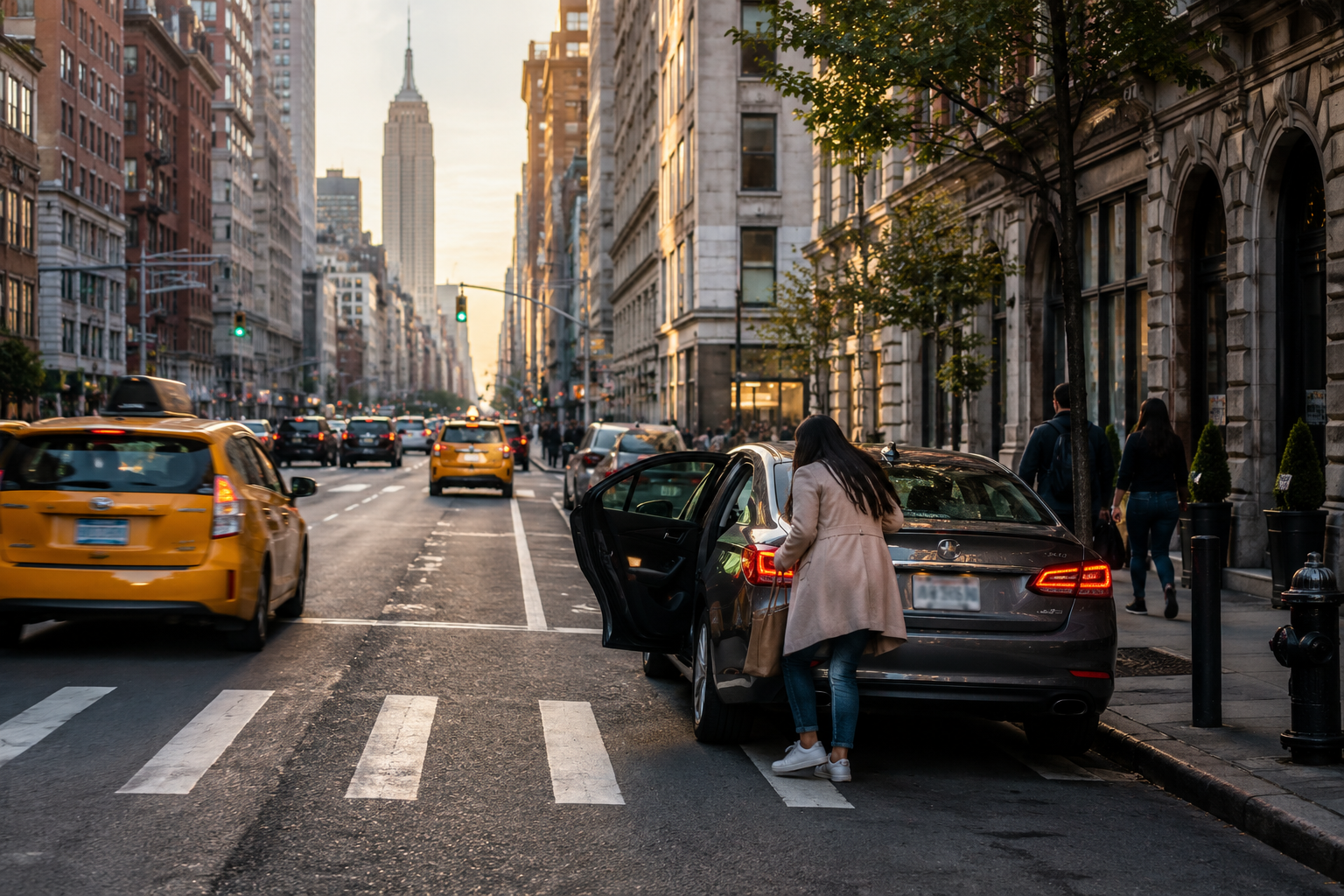
Curbside Pickups & Drop-offs: How to Stop Legally Without Triggering Chaos in NYC
If you’re learning to drive in New York City, one of the most stressful situations isn’t parallel parking—it’s making a quick curbside pickup or drop-off without blocking traffic, upsetting other drivers, or earning a costly ticket.
From the busy streets of Manhattan to the residential blocks of Queens and the crowded avenues of the Upper West Side (UWS) and Upper East Side (UES), knowing where and how to stop legally is an essential driving skill. New drivers often assume that turning on hazard lights makes any stop acceptable. Unfortunately, that misconception can lead to tickets, traffic violations, and dangerous situations.
At VMARE Driving School, we teach students how to navigate real-world NYC driving scenarios confidently and safely. Here’s what every new driver should know about curbside pickups and drop-offs in New York City.
Understanding the Difference Between Stopping, Standing, and Parking
One of the biggest reasons drivers get tickets in NYC is misunderstanding the difference between stopping, standing, and parking.
Stopping
Stopping means temporarily halting your vehicle, usually to obey traffic signals, stop signs, or traffic conditions.
Standing
Standing occurs when a vehicle is stopped for the purpose of loading or unloading passengers.
Parking
Parking means leaving a vehicle occupied or unoccupied for a period longer than necessary for immediate passenger activity.
These distinctions matter because NYC parking signs often regulate each activity differently. A location that allows standing may prohibit parking, while another may prohibit stopping altogether.
Before pulling over, always read nearby signs carefully. A few seconds spent checking restrictions can save you from an expensive parking ticket.
Why NYC Curbside Pickups Can Be Challenging
New York City streets are constantly busy. Double-parked vehicles, bike lanes, buses, delivery trucks, rideshare vehicles, and pedestrians all compete for limited curb space.
This becomes especially challenging in areas such as:
Upper West Side school zones
Upper East Side residential streets
Midtown Manhattan business districts
Queens commercial corridors
Popular shopping areas and restaurants
Many drivers panic when their passenger is waiting and stop wherever convenient. Unfortunately, convenience doesn't always equal legality.
The safest drivers learn to anticipate traffic flow and identify legal stopping zones before arriving at their destination.
Where You Should Never Stop
Regardless of how brief your pickup or drop-off may be, certain locations are always off-limits.
Never stop:
In bike lanes
In bus lanes during restricted hours
In crosswalks
Within intersections
In front of fire hydrants
In front of driveways
In designated No Stopping zones
Along active travel lanes
Near construction zones where stopping is prohibited
Even a 10-second stop can create traffic backups, force cyclists into vehicle lanes, or place pedestrians at risk.
Remember: turning on your hazard lights does not make an illegal stop legal.
How to Perform a Safe and Legal Pickup
Whether you're picking up a friend from the Upper East Side or a family member in Queens, follow these steps:
1. Scan Ahead Early
Begin looking for legal curb space at least one block before your destination.
This gives you time to evaluate signs, traffic conditions, and available space without making sudden maneuvers.
2. Use Your Turn Signal
Signal your intention well before moving toward the curb.
This alerts drivers behind you and helps reduce abrupt braking and lane changes.
3. Pull Fully to the Curb
When stopping, position your vehicle as close to the curb as safely possible.
Avoid partially blocking:
Bike lanes
Traffic lanes
Bus stops
Crosswalks
The more space you leave for moving traffic, the safer the situation becomes.
4. Keep the Stop Brief
Passenger loading and unloading should happen efficiently.
Have passengers ready before you arrive whenever possible.
Lingering at the curb can quickly transform a legal pickup into an illegal standing or parking violation.
5. Check Before Reentering Traffic
Before pulling away:
Check mirrors
Check blind spots
Look for cyclists
Watch for pedestrians
Signal clearly
Many collisions occur when drivers focus only on merging back into traffic and forget about cyclists approaching from behind.
Tips for Safe Drop-offs in Busy Areas
Dropping off passengers can be even more challenging than pickups.
In Manhattan especially, passengers often want to exit directly in front of their destination. However, safety should always come first.
Encourage passengers to:
Wait until the vehicle is fully stopped
Exit on the curb side whenever possible
Watch for bicycles before opening doors
Gather belongings quickly
Avoid stepping directly into traffic
The growing number of bike lanes throughout NYC has increased the risk of "dooring" incidents, where a vehicle door opens into the path of an approaching cyclist.
A few extra seconds of awareness can prevent serious injuries.
Common Mistakes New Drivers Make
At VMARE Driving School, we frequently see beginner drivers make the same curbside stopping errors.
Double Parking
Many drivers stop beside parked cars believing they'll only be there for a moment.
Even short double-parked stops can:
Block traffic
Create congestion
Lead to citations
Increase crash risk
Blocking Crosswalks
Stopping in crosswalks forces pedestrians into traffic and creates visibility problems for everyone.
Always leave the crosswalk completely clear.
Ignoring Sign Restrictions
Many drivers focus only on finding space and overlook nearby signage.
Before stopping, check:
Time restrictions
Bus lane regulations
School zone rules
Temporary construction signs
Last-Minute Lane Changes
Sudden moves toward the curb create dangerous situations for surrounding vehicles and cyclists.
Plan ahead whenever possible.
School Zones Require Extra Caution
The Upper West Side, Upper East Side, Manhattan, and Queens all contain numerous schools, daycare centers, and educational facilities.
During arrival and dismissal times:
Traffic increases significantly
Children may enter roadways unexpectedly
Crossing guards manage pedestrian flow
Temporary stopping restrictions may apply
Parents should never stop in active travel lanes to drop off children.
Instead, locate a legal curbside space and allow extra time for safe unloading.
How Driving Lessons Help You Master NYC Curbside Skills
Reading about curbside stopping is helpful, but practical experience is what builds confidence.
Professional driving instruction teaches you how to:
Read NYC parking and standing signs
Identify legal stopping zones
Navigate bike lanes safely
Handle heavy Manhattan traffic
Perform safe passenger pickups
Execute controlled curb approaches
Avoid common ticket-generating mistakes
These are real-world skills you'll use every day after earning your driver's license.
Learn Real NYC Driving Skills with VMARE Driving School
Curbside pickups and drop-offs may seem simple, but in New York City they require awareness, planning, and a strong understanding of traffic rules. Learning how to stop legally and safely helps protect pedestrians, cyclists, passengers, and other drivers while keeping you ticket-free.
Whether you're preparing for your road test or building confidence behind the wheel, VMARE Driving School provides hands-on driving lessons tailored to NYC's unique traffic environment.
We proudly serve students throughout Queens, Manhattan, the Upper West Side, and the Upper East Side with professional instruction designed for real-world driving success.
Book Driving Lessons Today
Ready to become a safer, more confident NYC driver?
Contact VMARE Driving School today to schedule personalized driving lessons and gain the practical skills needed to handle curbside pickups, parking situations, city traffic, and road test preparation with confidence.
Book your driving lessons today and take the next step toward driving safely anywhere in New York City.
