
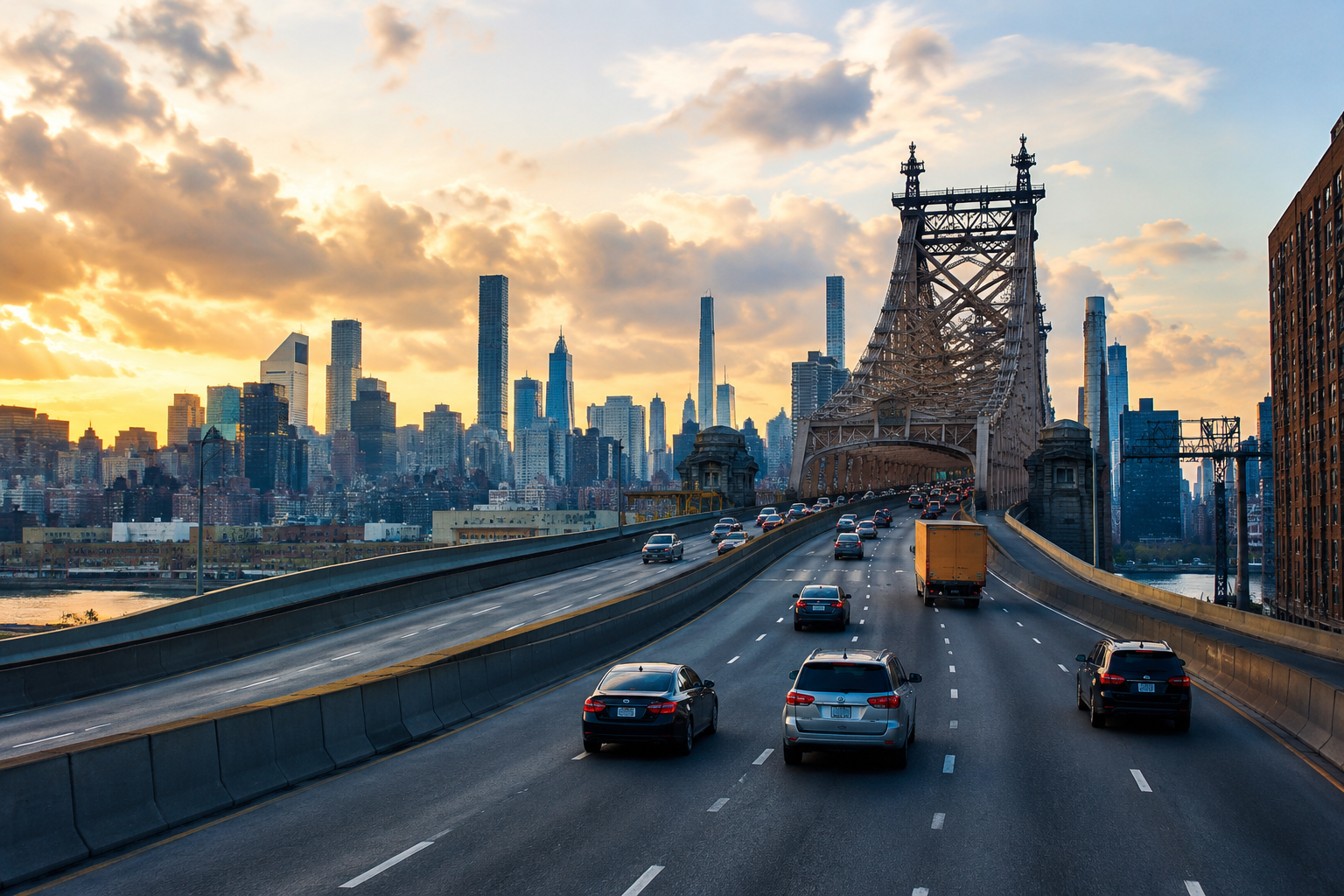
Driving Near Bridges & Tunnels in NYC: Lane Discipline and Last-Second Exit Mistakes to Avoid
Driving through New York City means dealing with some of the busiest bridge and tunnel systems in the country. Whether you are heading through the Queens-Midtown Tunnel, crossing the Williamsburg Bridge, driving toward the Lincoln Tunnel, or navigating traffic around the Queensboro Bridge, one mistake can quickly create dangerous situations for everyone on the road.
For student drivers and even experienced motorists in Upper West Side (UWS), Upper East Side (UES), and Queens, bridge and tunnel driving requires strong lane discipline, early decision-making, and calm vehicle control. At VMARE Driving School, one of the most common problems instructors observe is drivers making sudden lane changes or attempting last-second exits near major crossings.
Understanding how to safely approach bridges and tunnels can help reduce stress, avoid tickets, and improve overall driving confidence in NYC traffic.
Why Bridge & Tunnel Driving Feels Different
Driving near bridges and tunnels is more demanding than regular city driving because traffic patterns change quickly. Lanes split unexpectedly, speeds fluctuate, and drivers often become aggressive when trying to avoid missing exits or toll lanes.
Areas near major crossings also experience:
Heavy merging traffic
Tight lane spacing
Limited shoulder areas
Sudden braking
High pedestrian and cyclist activity
Commercial vehicle congestion
Drivers traveling between Queens, Manhattan, and Brooklyn frequently encounter these conditions during rush hour, weekends, and special events.
For newer drivers especially, panic decisions often happen when they realize too late they are in the wrong lane.
The Importance of Lane Discipline
Lane discipline means staying in the correct lane consistently and making safe, predictable movements. This becomes extremely important near tunnels and bridges because sudden swerving creates chain-reaction accidents.
Good lane discipline includes:
Reading overhead signs early
Maintaining steady positioning
Avoiding unnecessary lane changes
Leaving enough following distance
Using turn signals properly
Planning exits ahead of time
In NYC, many bridge and tunnel entrances provide little room for correction once traffic compresses. Missing a lane is usually safer than forcing your way across multiple lanes.
Common Last-Second Exit Mistakes Drivers Make
Many crashes and near-misses happen because drivers try to “save” a missed exit. Some of the most dangerous mistakes include:
Cutting Across Multiple Lanes
Drivers sometimes suddenly cross two or three lanes after realizing they are about to miss a tunnel entrance or bridge ramp. This is especially dangerous near fast-moving approach roads.
Instead:
Continue forward safely
Re-route using GPS
Take the next legal turn
A missed exit is inconvenient. A collision is far worse.
Sudden Braking Near Tunnel Entrances
Abrupt stops near tunnels create rear-end collision risks because traffic behind may not have enough reaction time.
If you miss your entrance:
Keep moving with traffic flow
Avoid stopping in live lanes
Follow alternate routing safely
Ignoring Dedicated Lane Signs
Many NYC crossings have designated lanes for:
EZ Pass users
Trucks
Local traffic
Specific borough connections
Drivers who ignore signs early often panic later and attempt unsafe merges.
Blocking Active Lanes
Some drivers stop partially in traffic while deciding where to go. This creates hazards for surrounding vehicles and increases congestion.
Always keep moving predictably.
Bridge & Tunnel Areas That Require Extra Attention
Queens-Midtown Tunnel
This route connecting Queens and Midtown Manhattan can become extremely congested during peak hours. Lane choices happen quickly, and traffic backups can extend far into Queens.
Drivers should:
Stay alert for lane markings
Avoid aggressive merging
Expect stop-and-go traffic
Williamsburg Bridge
The Williamsburg Bridge area includes complicated merging patterns with local streets, cyclists, buses, and fast-moving traffic entering Manhattan.
Extra caution is needed during:
Morning rush hour
Evening commutes
Weekend nightlife traffic
Lincoln Tunnel Approaches
Although located farther west, many UWS drivers encounter complicated lane setups approaching the tunnel.
Key tip:
Choose your lane early and commit safely.
Queensboro Bridge
The Queensboro Bridge connects Manhattan and Queens with heavy daily traffic volume. Drivers frequently make sudden lane decisions here, especially visitors unfamiliar with NYC roads.
How Student Drivers Can Prepare
At VMARE Driving School, instructors help students build confidence in real NYC driving conditions, including bridge and tunnel navigation.
Practice areas often focus on:
Lane positioning
Mirror usage
Merge timing
Traffic anticipation
Defensive driving techniques
Reading overhead directional signs
For drivers living in UWS, UES, and Queens, practicing these scenarios early can significantly improve road test readiness and real-world driving safety.
Defensive Driving Tips for NYC Crossings
Scan Signs Earlier Than You Think
NYC traffic moves fast, and lane decisions often happen several blocks before actual exits or entrances.
Try to:
Check overhead signs continuously
Listen to GPS directions early
Move gradually into proper lanes
Avoid Following Too Closely
Tailgating near tunnels and bridges reduces reaction time dramatically.
Maintain safe spacing even during heavy traffic.
Expect Sudden Driver Behavior
Many NYC drivers make impulsive decisions near crossings. Anticipating this behavior helps you react calmly and safely.
Watch for:
Abrupt lane changes
Hard braking
Vehicles drifting between lanes
Drivers cutting in aggressively
Stay Calm if You Miss an Exit
One of the safest driving habits is accepting mistakes calmly.
If you miss your tunnel or bridge entrance:
Continue safely
Recalculate your route
Avoid emotional reactions
GPS systems can always redirect you.
Why Local Driving Lessons Matter
NYC driving requires skills that many suburban driving programs do not fully cover. Drivers in Manhattan and Queens face:
Dense urban traffic
Tight turns
Complex intersections
Aggressive merging
High-pressure driving environments
Learning from instructors familiar with NYC infrastructure gives students practical experience that directly applies to daily driving conditions.
VMARE Driving School provides driving lessons designed around real New York traffic scenarios, helping students become safer and more confident drivers throughout Manhattan, Queens, and surrounding boroughs.
Final Thoughts
Driving near NYC bridges and tunnels can feel overwhelming, especially for newer drivers. However, strong lane discipline and early decision-making make a major difference in safety.
Remember:
Plan lane choices early
Never force last-second exits
Keep movements predictable
Stay calm under pressure
Prioritize safety over convenience
Whether you are commuting from Queens, driving through UWS or UES, or preparing for your NYC road test, developing smart habits around bridges and tunnels helps create safer roads for everyone.
If you want hands-on experience navigating real NYC traffic conditions, VMARE Driving School can help you build confidence behind the wheel. Book your driving lessons today and practice the skills needed for safe city driving across Manhattan and Queens.
