
How Do You Safely Drive Through Pedestrian-Heavy Intersections in NYC?
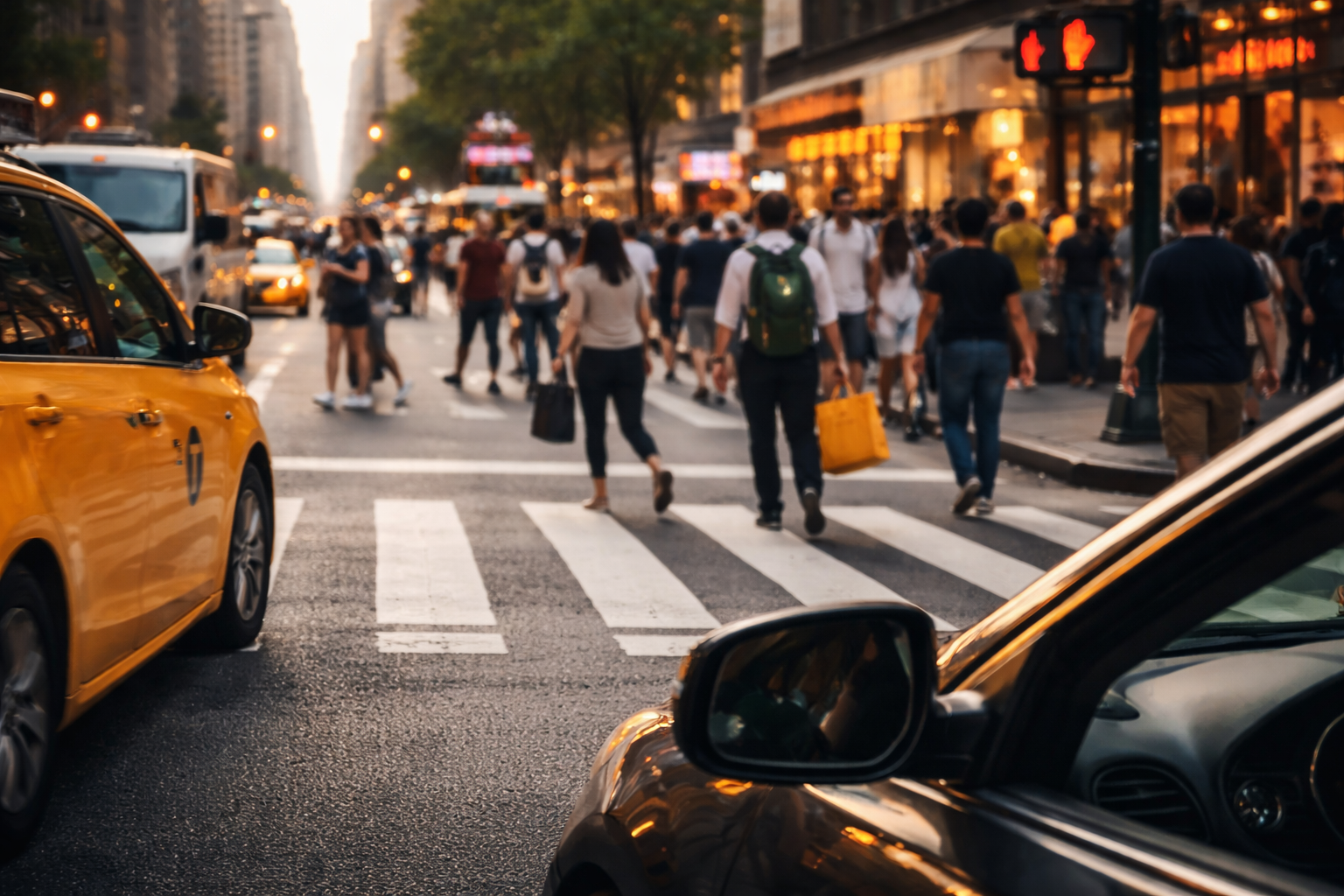
Pedestrian-Heavy Intersections: Crosswalk Habits That Prevent Instant Mistakes
Driving in New York City means constantly navigating busy streets, crowded sidewalks, and intersections filled with pedestrians. In areas like Manhattan, Queens, and the Bronx, crosswalks can become extremely congested during peak hours. For new drivers especially, these environments can feel overwhelming.
Pedestrian-heavy intersections require heightened awareness and safe driving habits. Even a small mistake—rolling past the stop line, failing to yield, or misjudging a crossing pedestrian—can result in traffic violations, accidents, or dangerous situations.
Learning the right crosswalk habits is essential for every driver. At VMARE Driving School, instructors teach students how to approach busy intersections confidently while following New York traffic laws and maintaining safety for everyone on the road.
In this guide, we’ll cover the most important crosswalk habits that prevent instant mistakes and help drivers handle pedestrian-heavy intersections safely.
Why Crosswalk Awareness Matters in NYC
New York City is one of the most pedestrian-dense cities in the world. Every day, millions of people walk through busy streets, cross intersections, and navigate crowded sidewalks.
Because of this, drivers must always be prepared to yield to pedestrians.
Failing to yield to pedestrians in New York can lead to:
Traffic tickets and fines
Points on your driver’s license
Dangerous accidents
Failed road tests for new drivers
Understanding how pedestrians move through intersections—and how drivers should respond—is critical for safe driving.
Always Yield to Pedestrians in Crosswalks
One of the most important rules in New York driving law is simple:
Pedestrians always have the right of way in crosswalks.
Even if the pedestrian begins crossing late in the signal cycle, drivers must wait until the person fully clears the crosswalk before proceeding.
Common mistakes new drivers make include:
Trying to “beat” pedestrians through the crosswalk
Turning while pedestrians are still crossing
Rolling forward before the crosswalk is clear
The safest approach is to remain patient and wait until the crosswalk is completely clear before moving forward.
Stop Behind the Crosswalk Line
Many intersections have a clearly marked stop line before the crosswalk. Drivers must stop behind this line, not inside the crosswalk.
Stopping inside the crosswalk creates several problems:
It blocks pedestrians from crossing safely
It forces pedestrians to walk around the vehicle
It can result in traffic violations
Maintaining a proper stopping position allows pedestrians to cross safely while giving drivers a better view of the intersection.
Watch for Turning Pedestrians
One of the most common causes of pedestrian accidents occurs during turns.
When drivers make a left or right turn, they often focus on oncoming traffic but forget to check the crosswalk.
Pedestrians may be crossing from either direction, especially at large intersections.
Before making any turn, drivers should:
Check the crosswalk for pedestrians
Look both directions before turning
Yield until all pedestrians have safely crossed
Taking an extra second to scan the crosswalk can prevent serious accidents.
Be Extra Cautious During Right Turns
Right turns at intersections require special attention.
In busy areas, pedestrians often begin crossing just as drivers prepare to turn. Because right turns happen close to the curb, drivers must check carefully for people stepping into the crosswalk.
Safe right-turn habits include:
Slowing down before reaching the crosswalk
Looking for pedestrians stepping off the curb
Yielding to anyone already crossing
Drivers should never rush through right turns in crowded areas.
Avoid Blocking the Crosswalk in Traffic
Another common mistake happens when drivers enter an intersection during heavy traffic but cannot fully clear it.
If traffic stops and the vehicle ends up blocking the crosswalk, pedestrians are forced to walk around the car.
To prevent this situation, drivers should follow a simple rule:
Do not enter the intersection unless there is enough space to clear it completely.
This keeps crosswalks open and prevents dangerous situations for pedestrians.
Watch for Pedestrians Who May Not Follow Signals
While pedestrians typically follow crossing signals, drivers should not assume that everyone will wait for the proper signal.
In busy areas, pedestrians may:
Start crossing late
Cross diagonally
Run across the street
Step into the crosswalk unexpectedly
Drivers should always stay alert and be prepared to stop if someone suddenly enters the roadway.
Reduce Speed in High-Pedestrian Zones
Areas near schools, shopping districts, subway stations, and parks often have large numbers of pedestrians.
Drivers should reduce their speed when approaching these areas.
Slower speeds give drivers more time to react if someone steps into the crosswalk unexpectedly.
Maintaining safe speeds also improves overall control of the vehicle in crowded environments.
Use Defensive Driving at Busy Intersections
Defensive driving is one of the best strategies for handling pedestrian-heavy intersections.
Defensive driving means anticipating potential risks and preparing to react safely.
When approaching busy intersections, drivers should:
Scan sidewalks for pedestrians approaching the crosswalk
Check mirrors for cyclists and scooters
Watch for vehicles turning unexpectedly
Maintain safe stopping distance
These habits help drivers stay prepared for unpredictable situations.
Practice Crosswalk Awareness During Driving Lessons
For new drivers, learning these habits takes practice. Busy intersections require quick decision-making and strong awareness skills.
Professional driving lessons help students build confidence while learning how to safely handle real-world traffic situations.
At VMARE Driving School, instructors guide students through busy New York streets and teach them how to navigate pedestrian-heavy intersections safely.
Students learn:
How to properly yield at crosswalks
How to approach busy intersections
How to make safe turns around pedestrians
Defensive driving strategies for city streets
These skills are essential for passing the road test and becoming a safe, confident driver.
Schedule Your Driving Lessons with VMARE Driving School
If you want to build confidence driving through busy intersections and pedestrian-heavy streets, professional instruction can make all the difference.
VMARE Driving School provides expert training designed specifically for New York City driving conditions. Our experienced instructors help students develop the awareness and skills needed to drive safely in crowded urban environments.
We offer flexible lesson scheduling and structured training programs for beginners and experienced drivers alike.
Whether you are preparing for your road test or simply want to improve your driving confidence, our team is here to help.
Book Your Lesson with the VMARE Instant Quote Tool
Getting started is easy.
Use the VMARE Driving School Online Booking to explore lesson packages and receive pricing information quickly.
With just a few clicks, you can:
View available driving lesson packages
Compare pricing options
Plan your driving training schedule
Book lessons that fit your availability
Start building safer driving habits today with VMARE Driving School and gain the confidence to navigate even the busiest New York intersections.
