
What Driving Students Should See in Their Left and Right Mirrors
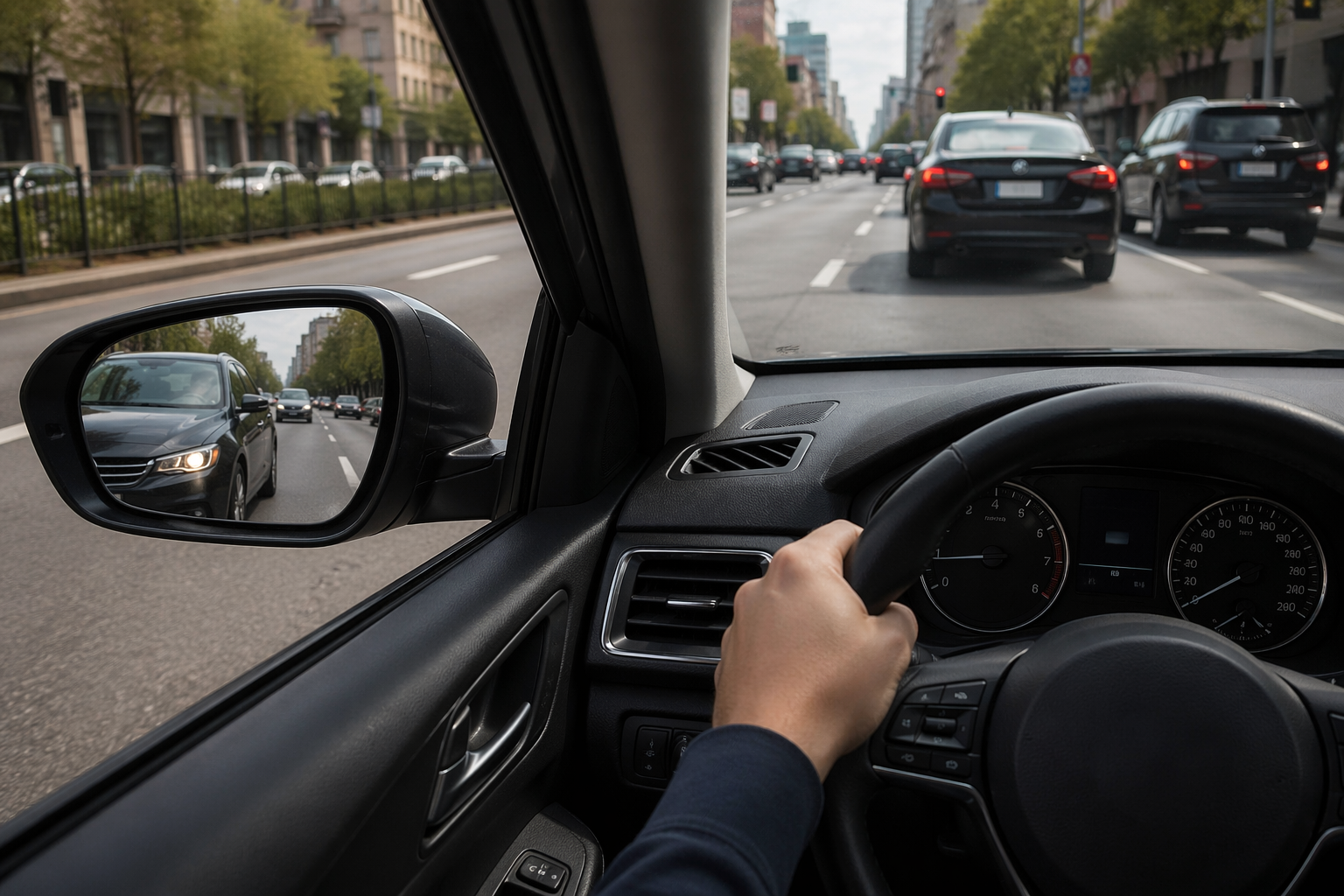
What Driving Students Should See in Their Left and Right Mirrors And Why It Matters
Learning to drive in a fast-paced environment like New York City demands more than just knowing how to steer, accelerate, and brake. One of the most overlooked—but critical—skills for driving students is proper mirror usage. Your left and right side mirrors are not just there for quick glances; they are essential tools for spatial awareness, hazard detection, and confident decision-making on the road.
Understanding what you should see in each mirror—and why it matters—can significantly improve your safety, reduce anxiety, and help you pass your road test with confidence.
Why Mirror Awareness Matters
Before diving into specifics, it’s important to understand the function of side mirrors. These mirrors are designed to extend your field of vision beyond what you can see directly in front of you or through your rearview mirror. When used correctly, they minimize blind spots and give you a more complete picture of your surroundings.
For student drivers, developing a habit of checking mirrors regularly builds situational awareness—a core skill that separates reactive drivers from proactive ones.
What You Should See in Your Left Mirror
Your left mirror (driver’s side) is your primary reference for:
1. Vehicles Approaching from Behind (Left Lane)
You should be able to clearly see vehicles coming up behind you in the lane to your left. This is especially important when:
Changing lanes to the left
Merging into traffic
Preparing for a turn
A properly adjusted left mirror should show a small portion of your car and a wide view of the lane beside you. If you see too much of your own vehicle, your mirror is angled too far inward.
2. Lane Positioning
Your left mirror helps you stay centered in your lane. By occasionally checking it, you can ensure you’re not drifting too close to the lane divider or another vehicle.
This is particularly useful for beginner drivers who are still developing a sense of vehicle positioning.
3. Cyclists and Motorcycles
In urban areas like NYC, cyclists and motorcyclists often travel between lanes or close to vehicles. Your left mirror is a key tool for spotting them early, especially before making a lane change or opening your door when parked.
What You Should See in Your Right Mirror
Your right mirror (passenger side) plays a slightly different but equally important role.
1. Adjacent Lane Traffic (Right Side)
This mirror helps you monitor vehicles in the lane to your right. You’ll rely on it when:
Changing lanes to the right
Merging onto highways
Navigating multi-lane roads
Because the right mirror is farther from the driver, objects may appear smaller and farther away than they actually are. This is why it’s often labeled with the warning: “Objects in mirror are closer than they appear.”
2. Curb and Road Edge Awareness
When making right turns or pulling over, your right mirror helps you gauge your distance from the curb. This is crucial for:
Safe parking
Avoiding curb hits
Maintaining proper turning radius
For driving students, this is especially helpful during parallel parking and tight city maneuvers.
3. Pedestrians and Obstacles
Your right mirror can also help you detect pedestrians stepping off the curb, delivery riders, or obstacles near the roadside—common scenarios in busy urban environments.
Eliminating Blind Spots
Even with properly adjusted mirrors, blind spots still exist. These are areas around your vehicle that are not visible in any mirror. However, correct mirror positioning can significantly reduce them.
Quick Adjustment Tip:
Tilt your mirrors outward slightly so that the side of your car is barely visible.
This expands your field of vision and reduces overlap between mirrors.
Still, always perform a quick shoulder check before changing lanes. Mirrors assist—but they don’t replace—direct observation.
The Mirror Check Habit
Knowing what to see is only half the equation. The other half is consistency.
Professional driving instructors emphasize the “mirror-signal-maneuver” routine:
Mirror – Check your mirrors to assess surroundings
Signal – Indicate your intention
Mirror Again – Reconfirm it’s safe
Maneuver – Execute the move
Driving students should aim to check their mirrors every 5–8 seconds, even when driving straight. This keeps you updated on changing traffic conditions and prepares you to react smoothly.
Common Mistakes Driving Students Make
Many beginners struggle with mirror usage due to a few common errors:
Only checking mirrors when turning
→ This leads to missed hazards and delayed reactionsOver-relying on mirrors without shoulder checks
→ Blind spots can still hide vehiclesImproper mirror adjustment
→ Limits visibility and creates overlapping viewsFixating too long on mirrors
→ Takes attention away from the road ahead
Correcting these habits early will make a noticeable difference in your driving performance.
How Proper Mirror Use Builds Confidence
When you consistently know what’s happening around your vehicle, driving becomes less stressful. You’re no longer guessing—you’re making informed decisions.
For student drivers, this translates to:
Smoother lane changes
Safer turns
Better anticipation of traffic flow
Increased confidence during road tests
Instructors and examiners specifically look for mirror checks during evaluations. Demonstrating this skill clearly shows that you are aware, cautious, and in control.
Final Thoughts
Your left and right mirrors are more than just accessories—they are essential safety tools that give you a complete view of the road. Mastering what to look for in each mirror, and building the habit of checking them regularly, is a foundational skill every driving student must develop.
At VMARE Driving School, we don’t just teach you how to drive—we train you to think like a safe, confident driver. Our instructors focus on real-world techniques, including proper mirror usage, defensive driving strategies, and city-specific navigation skills.
Ready to level up your driving skills?
Book your driving lessons today for just $80 per hour with VMARE Driving School and get expert guidance that prepares you for both your road test and real-life driving.
