
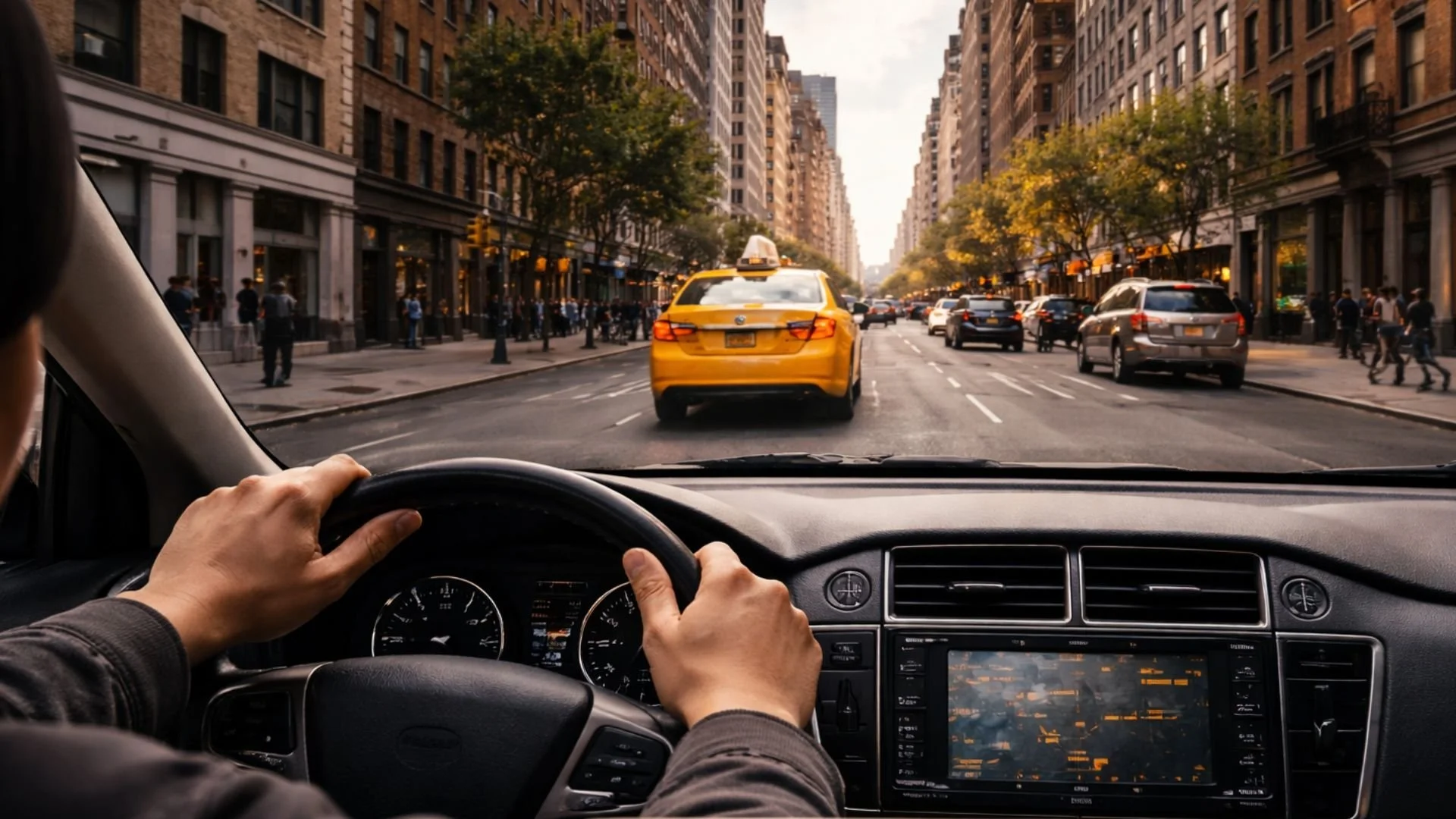
Why Driving in New York Feels Harder Than Other States (And How Students Can Adapt Faster)
Many new drivers ask the same question after their first few weeks behind the wheel: “Why does driving in New York feel so stressful compared to everywhere else?”
The answer isn’t just traffic. New York’s driving environment is one of the most demanding in the country, combining dense urban roads, aggressive driving patterns, constant construction, and unpredictable pedestrian behavior. The good news? Once you understand why it feels harder — and how to adapt — driving becomes far more manageable.
New York Roads Demand Faster Decision-Making
In many states, drivers have more time to react. In New York, decisions must be made quickly and confidently.
Common challenges include:
Short merge lanes
Sudden lane reductions
Drivers who change lanes aggressively
Limited signage warning of changes ahead
Driving students often hesitate, which can actually increase risk. Learning to scan further ahead and commit to decisions smoothly is a key skill for New York drivers.
Traffic Density Changes Everything
New York traffic is constant, not occasional.
This means:
You’re rarely driving alone
Space between vehicles is limited
You must anticipate braking instead of reacting to it
New drivers should focus on:
Maintaining consistent following distance
Avoiding unnecessary lane changes
Staying calm during congestion
Confidence comes from understanding that traffic flow — not speed — keeps roads safer.
Pedestrians and Cyclists Are a Daily Reality
Unlike quieter states, New York drivers must constantly watch for:
Pedestrians stepping into crosswalks late
Cyclists passing on the right
E-bikes moving faster than expected
Students should practice:
Slowing earlier at intersections
Checking mirrors frequently
Expecting movement from all directions
Being alert is not optional — it’s essential.
Road Rules Are Strictly Enforced
New York enforces traffic laws more aggressively than many states, especially in urban areas.
New drivers should know:
Camera enforcement is common
Lane misuse can result in tickets
Failure to yield carries serious penalties
Understanding road markings, signals, and lane restrictions reduces stress and prevents costly mistakes.
Why Practice Location Matters More in NY
Where you practice driving has a huge impact on confidence.
Ideal practice environments include:
Busy intersections
Multi-lane roads
Areas with frequent pedestrian traffic
Mixed residential and commercial zones
Practicing only on quiet streets doesn’t prepare students for real New York driving.
How New Drivers Can Adapt Faster
The fastest way to build confidence is structured, varied practice with feedback.
Key strategies:
Practice during different times of day
Drive in light rain and low visibility
Focus on anticipation, not reaction
Learn defensive driving habits early
Driving in New York is challenging — but mastering it makes you a stronger driver everywhere else. With proper instruction and consistent practice, what once felt overwhelming becomes second nature.
Ready to feel confident on New York roads?
Professional instruction helps students adapt faster, drive safer, and build real-world skills that last.
