
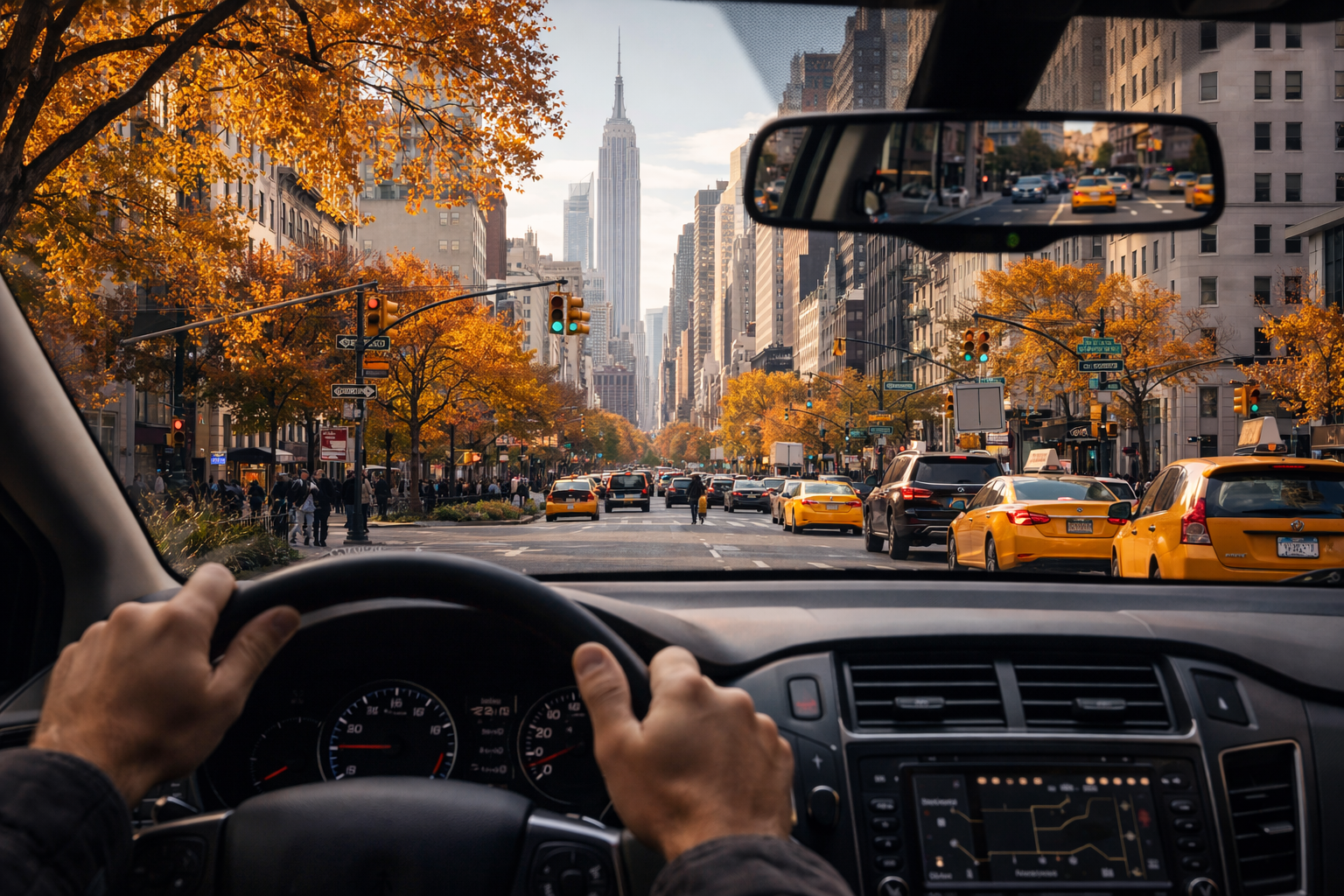
What New Driving Students in New York Must Know (Beyond the Basics)
Getting your driver’s license in New York is a major milestone — but passing the road test is only the beginning. Many new drivers quickly realize that real-world driving in New York is far more complex than what’s covered in a handbook or a short test route.
From evolving traffic laws to city-specific challenges and seasonal hazards, there are critical things every New York driving student should understand before driving solo. These are lessons that often get learned the hard way — unless you’re properly prepared.
1. New York Driving Laws Change More Often Than You Think
New York updates traffic laws, enforcement priorities, and penalties regularly. As a new driver, it’s essential to understand that:
Even minor speeding violations can result in points
Accumulating points happens faster than most students expect
Distracted driving laws are strictly enforced, especially for new drivers
Relying on outdated information can cost you money, raise your insurance rates, or even put your license at risk early on.
2. Graduated Driver Licensing Rules Are Not Optional
New York’s Graduated Driver Licensing (GDL) system is designed to protect new drivers — but many students don’t fully understand its restrictions.
Key points every student should know:
Driving privileges are limited during certain hours
Passenger restrictions apply for junior license holders
Supervised driving requirements are mandatory before full licensure
Ignoring these rules can lead to fines, license suspension, or delayed eligibility for a full license.
3. Distracted Driving Is One of the Biggest Risks for New Drivers
Phones, navigation apps, music controls, and even passengers can distract new drivers more than they realize.
In New York:
Holding a phone while driving is illegal
Even brief distractions significantly increase crash risk
New drivers face harsher consequences for violations
Developing distraction-free habits early is one of the most important steps toward becoming a safe, confident driver.
4. Defensive Driving Skills Matter More Than Test Skills
The road test evaluates basic control — not long-term safety.
Real defensive driving means:
Keeping a safe following distance
Anticipating unpredictable drivers
Adjusting speed based on traffic, weather, and visibility
Staying alert at intersections
Drivers who practice defensive techniques are far less likely to be involved in collisions, especially during their first year on the road.
5. Practice in a Variety of Driving Environments
Many students only practice in familiar neighborhoods — but New York demands more.
You should gain experience in:
Busy city streets
Suburban traffic patterns
Highways and parkways
Nighttime driving
Rain and winter conditions
Exposure to different environments builds confidence and reduces panic when unexpected situations arise.
6. Driving in New York City Requires Special Awareness
NYC driving is unlike anywhere else in the state.
Common challenges include:
Heavy pedestrian traffic
Cyclists sharing narrow lanes
Frequent lane changes
Bus lanes with restricted hours
Learning how to scan intersections, read road markings, and anticipate pedestrian movement is critical for safe city driving.
7. Lane Usage and Road Markings Are Strictly Enforced
Many new drivers are unaware that:
Certain lanes are restricted at specific times
Improper lane usage can result in tickets
Left lanes on highways are intended for passing, not cruising
Understanding these rules improves traffic flow and helps you avoid unnecessary violations.
8. Highway Driving Is Essential — Not Optional
Highway driving can be intimidating, but avoiding it only delays skill development.
Key highway skills include:
Merging at proper speeds
Maintaining lane position
Managing blind spots
Reading traffic flow
Practicing these skills with an instructor builds confidence and prepares you for daily commuting.
9. Seasonal Driving Conditions in New York Are Serious
New York drivers must handle:
Snow and ice in winter
Heavy rain and fog
Reduced visibility
Slippery roads
Learning how to brake safely, adjust speed, and maintain control during poor weather is essential — especially for drivers who learned during warmer months.
10. Parking Skills Are More Important Than You Think
Urban parking is a daily reality for many New York drivers.
Strong parking skills:
Reduce stress in tight spaces
Prevent damage to your vehicle
Increase confidence in crowded areas
Parallel parking, angle parking, and tight curb positioning should be practiced until they feel natural.
Safe Driving Is a Skill You Keep Building
Passing your road test doesn’t make you an expert driver — it gives you permission to keep learning. The safest New York drivers are those who stay informed, practice regularly, and seek professional guidance when needed.
Ready to Become a Confident Driver in New York?
If you want professional, real-world driving instruction tailored to New York roads, working with an experienced driving school makes all the difference.
With structured lessons, certified instructors, and hands-on training, you can build the skills needed to drive safely — not just pass a test.
Start your driving journey with confidence and learn the right way from the beginning.
Book your driving lessons with VMARE today!
