
How Do You Know the Right Time to Change Lanes in NYC Heavy Traffic?
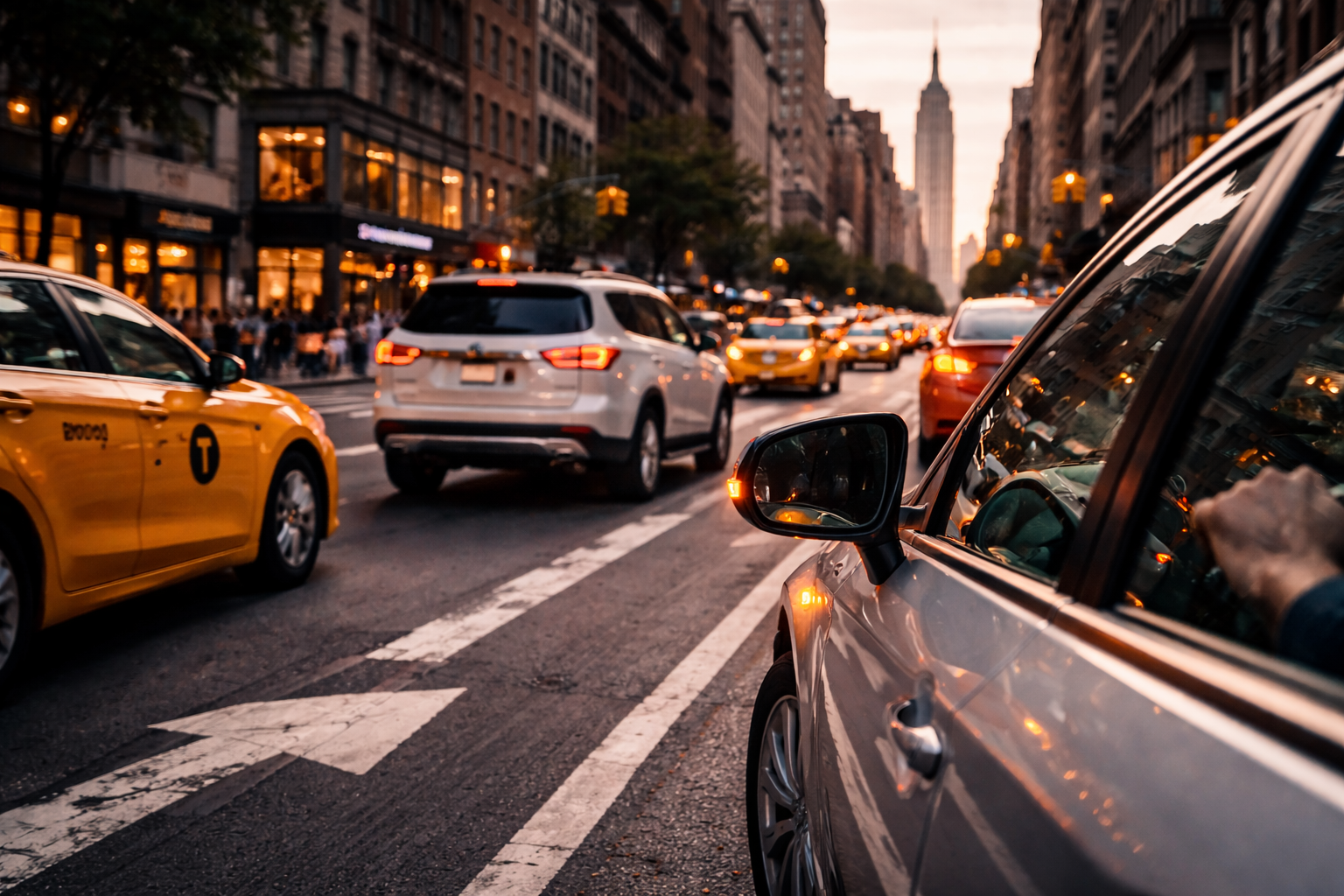
Lane Change Timing in Heavy Traffic: When It’s “Too Late” vs “Just Right”
Lane changes in heavy New York City traffic can feel intimidating — especially for new drivers preparing for the NYC road test. One second too early and you risk cutting someone off. One second too late and you miss your opportunity entirely. Understanding when to change lanes — and when not to — is a critical driving skill that examiners watch closely.
At VMARE Driving School, we help students master lane change timing so they can drive confidently, safely, and pass their road test on the first try. This guide breaks down how to recognize the perfect moment to change lanes in heavy traffic — and how to avoid the mistakes that cost points or cause dangerous situations.
Why Lane Change Timing Matters in NYC
New York City traffic is fast-moving, unpredictable, and often congested. Examiners don’t expect perfection — but they do expect good judgment. Poor lane change timing is one of the most common reasons drivers lose points during a road test.
Lane changes aren’t just about turning on your signal. They involve:
Awareness of surrounding vehicles
Proper signaling and mirror checks
Confident yet cautious decision-making
Smooth execution without hesitation
In NYC, hesitation can be just as risky as aggression. The key is learning the balance.
Understanding “Too Late” vs “Just Right”
What “Too Late” Looks Like
A lane change becomes “too late” when:
You wait until the last possible second
Traffic has already closed the gap
You feel pressured to force your way in
You miss your exit or turn entirely
On a road test, waiting too long often results in:
Abrupt steering
Unsafe merging
Examiner intervention
Missed instructions
These situations signal poor planning and lack of situational awareness.
What “Just Right” Looks Like
A perfectly timed lane change feels calm and intentional. It happens when:
You anticipate traffic patterns early
There’s enough space to merge smoothly
Other drivers can clearly see your signal
You don’t rush or hesitate
Examiners want to see confidence without recklessness. A smooth, well-timed lane change shows that you understand traffic flow — not just road rules.
Common Lane Change Mistakes New Drivers Make
Late Signaling
Signaling after you’ve already started drifting into the next lane is a major mistake. Signals are meant to communicate before you move, not during.
Over-Hesitation
Waiting too long because you’re unsure can confuse other drivers and frustrate traffic behind you. Examiners may mark this as lack of confidence.
Forcing the Lane Change
Trying to squeeze into a gap that’s too small is unsafe and can result in an automatic failure.
Not Checking Blind Spots
Mirrors alone are not enough. Failing to physically check your blind spot is a serious error during a road test.
Step-by-Step: How to Time a Lane Change Correctly
1. Plan Ahead
Good lane changes start early. As soon as you know you’ll need to turn or exit, begin scanning traffic.
2. Check Mirrors First
Start with your rearview mirror, then side mirrors. Identify gaps and speed differences between vehicles.
3. Signal Early
Turn your signal on before you move. This gives other drivers time to react and often creates space for you.
4. Check Your Blind Spot
A quick shoulder check confirms no vehicle is hiding beside you.
5. Commit Smoothly
Once it’s safe, change lanes confidently. No sudden swerves, no braking mid-merge.
This sequence is exactly what examiners look for during NYC road tests.
Lane Changes in Heavy Traffic: NYC-Specific Tips
Read Traffic Flow
In NYC, traffic often moves in waves. Look for natural gaps instead of forcing a merge.
Use Speed Control
Matching the speed of traffic makes merging smoother and safer.
Avoid Last-Second Decisions
If you miss a turn or exit, it’s better to continue safely than attempt a dangerous lane change.
Stay Predictable
Predictable drivers are safer drivers. Clear signals and steady movement build trust with other motorists.
How VMARE Driving School Trains Lane Change Confidence
At VMARE Driving School, we teach lane changes in real NYC traffic — not empty practice roads. Our instructors understand exactly what examiners expect and how students struggle.
Our Training Focus Includes:
Real-world traffic scenarios
Step-by-step lane change drills
Timing and decision-making practice
Live instructor feedback
Mock road test conditions
We help students overcome fear, hesitation, and overthinking — replacing them with confidence and clarity.
Why Mastering Lane Changes Helps Beyond the Road Test
Lane change timing isn’t just about passing your test — it’s about becoming a safer driver for life.
Long-Term Benefits
Reduced accident risk
Better navigation in city traffic
Increased driving confidence
Less stress behind the wheel
When you know when to move, driving becomes smoother and more controlled — even in the busiest NYC streets.
Lane Change Timing Is a Skill — Not a Guess
The difference between “too late” and “just right” isn’t luck. It’s training, awareness, and practice. With the right guidance, lane changes stop feeling overwhelming and start feeling natural.
👉 Struggling with lane changes in heavy NYC traffic?
Learn how to:
Time lane changes correctly
Drive confidently in heavy traffic
Avoid common road test mistakes
Pass your NYC road test with confidence
Train smarter. Drive safer. Succeed with VMARE Driving School.🚗📈
